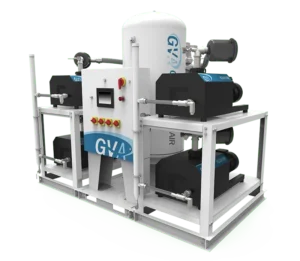
Surgical Center Medical Air, Vacuum & Gas Systems
Reliable medical air and vacuum infrastructure designed around the needs of your surgical facility.
GlobalVac & Air provides medical air systems, medical vacuum systems and medical gas pipeline solutions for ambulatory surgery centers, outpatient surgical facilities and other procedural care environments.
From source equipment in the mechanical room to medical gas distribution throughout the facility, we help you build a system around your required capacity, available space and long-term operating needs.
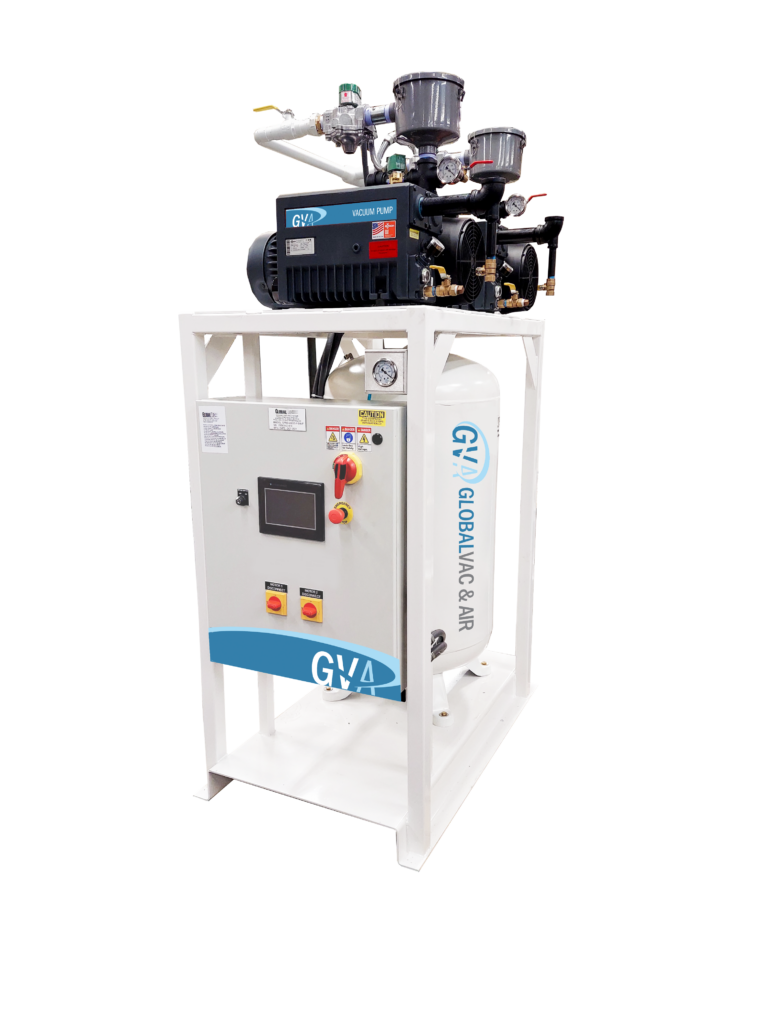
The Systems Behind Your Surgical Facility
Medical air and vacuum are critical to keeping surgical procedures and patient care running safely and efficiently. From supplying clean, reliable medical air to supporting surgical suction, these systems need to perform consistently wherever care is being delivered.
GlobalVac & Air provides medical air, medical vacuum, and medical gas pipeline solutions for surgical centers, engineered around your facility’s procedure volume, available space, redundancy needs, and NFPA 99 requirements.
Medical Air Systems
Clean, dry, oil-free medical air is essential for surgical and patient-care environments. GVA's medical scroll compressor systems are designed for dependable operation while meeting NFPA 99 requirements.
Medical Vacuum Systems
Support surgical suction and other critical clinical applications with an engineered medical vacuum system sized and configured around your facility's needs.
Medical Gas Pipeline Equipment
Bring medical air, vacuum, oxygen, and other gases where they're needed with outlets, zone valve boxes, alarms, regulators, and supporting pipeline components.
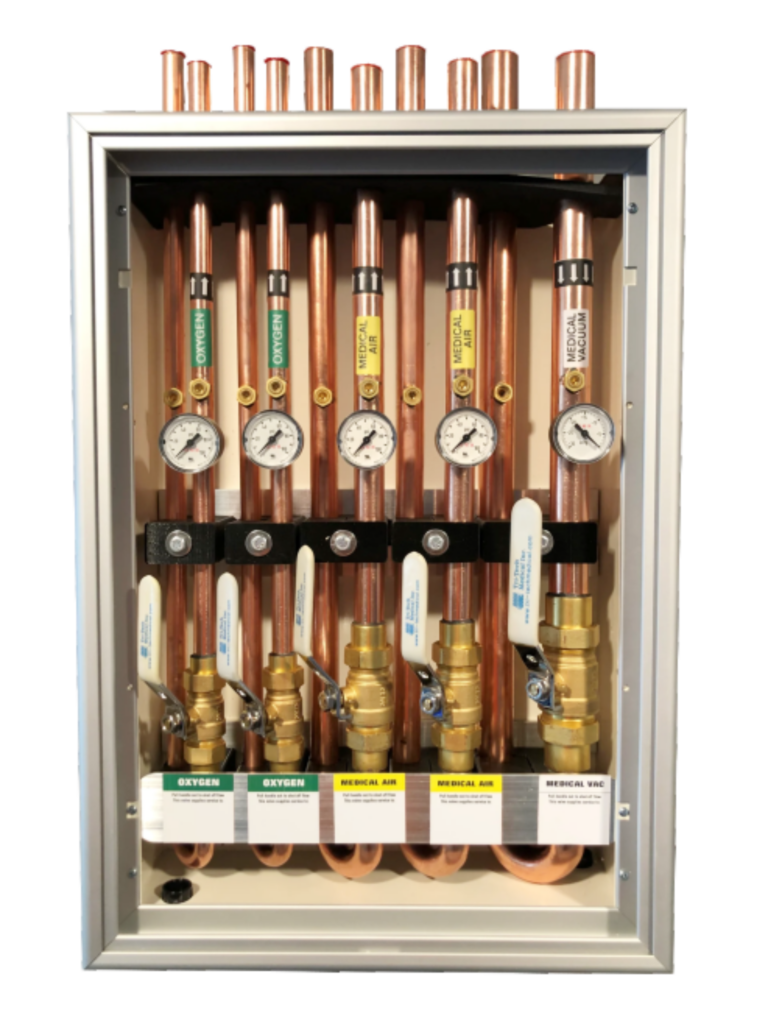
Medical Air, Vacuum & Gas Systems for Surgical Care
Medical air, vacuum, and gas distribution systems support procedures and patient care throughout a surgery center. Each system needs to be planned around the facility’s clinical demands, available space, and healthcare requirements.
Operating & Procedure Rooms – Reliable medical air, vacuum, and gas delivery to support surgical and outpatient procedures.
Pre-Op & Recovery Areas – Dependable access to medical gases and vacuum as patients are prepared for procedures, monitored, and recover before discharge.
Reliable System Availability – Medical air and vacuum systems can be configured with the capacity and redundancy needed to support critical applications when demand changes or equipment requires service.
Space-Conscious Design – Modular and stacked equipment configurations can help accommodate limited mechanical-room space while maintaining access for installation and service.
Sized for Your Facility – Procedure volume, number of surgical spaces, system demand, available space, and future plans all help determine the right equipment capacity and configuration.
Your Project Needs More Than Equipment
Equipment Drawings
Get equipment drawings and dimensional information to help your project team plan mechanical-room layouts, connections, access, and installation requirements.
Technical & Submittal Documentation
Access technical specifications and supporting equipment information for engineering review, equipment approval, and project coordination.
NFPA 99 System Support
GVA's medical air and vacuum systems are engineered to meet applicable NFPA 99 requirements for healthcare environments.
Controls & Electrical Information
Get the controls and electrical information your project team needs to plan power connections, alarms, monitoring, and building-system integration.
Built for Your Surgery Center’s Needs
Every surgery center has different demands. The number of operating and procedure rooms, available mechanical space, and expected system usage all influence what your medical air and vacuum infrastructure needs to look like.
GlobalVac & Air works with your project team to determine the right equipment capacity and configuration for your facility—whether you’re planning a new center, adding procedure space, or replacing an existing system.
We can help plan around:
- Number of operating and procedure rooms
- Medical air and vacuum demand
- Available mechanical room space
- Capacity and redundancy needs
- Existing equipment and connections
- Controls and monitoring
- Medical gas pipeline integration
- Current and future facility needs
One Partner From Source Equipment to Point of Use
Source Equipment → Controls → Pipeline → Zone Valves & Alarms → Outlets → Operating Room